Georgia’s Largest Public HBCU Joins National Cohort to Expand Campus Behavioral Health, Mental Health Services, and Student Crisis Response in Southwest Georgia
ALBANY, GA, UNITED STATES, March 20, 2026 /EINPresswire.com/ — Albany State University (ASU), Georgia’s largest public Historically Black College and University (HBCU), has been selected to participate in the 2026 SAMHSA (Substance Abuse and Mental Health Services Administration) HBCU Policy Academy. The selection followed a competitive national application and a thorough committee review. Albany State University will attend the in-person Policy Academy convening in Atlanta, Georgia, on April 27–28, 2026.
The SAMHSA HBCU Policy Academy is a federal program administered by the Substance Abuse and Mental Health Services Administration that provides selected Historically Black Colleges and Universities with expert guidance, technical assistance, and peer learning to strengthen campus behavioral health systems, mental health services, and crisis response infrastructure. Albany State University’s selection reflects its demonstrated commitment to student wellness and its readiness to build a nationally recognized model for HBCU behavioral health.
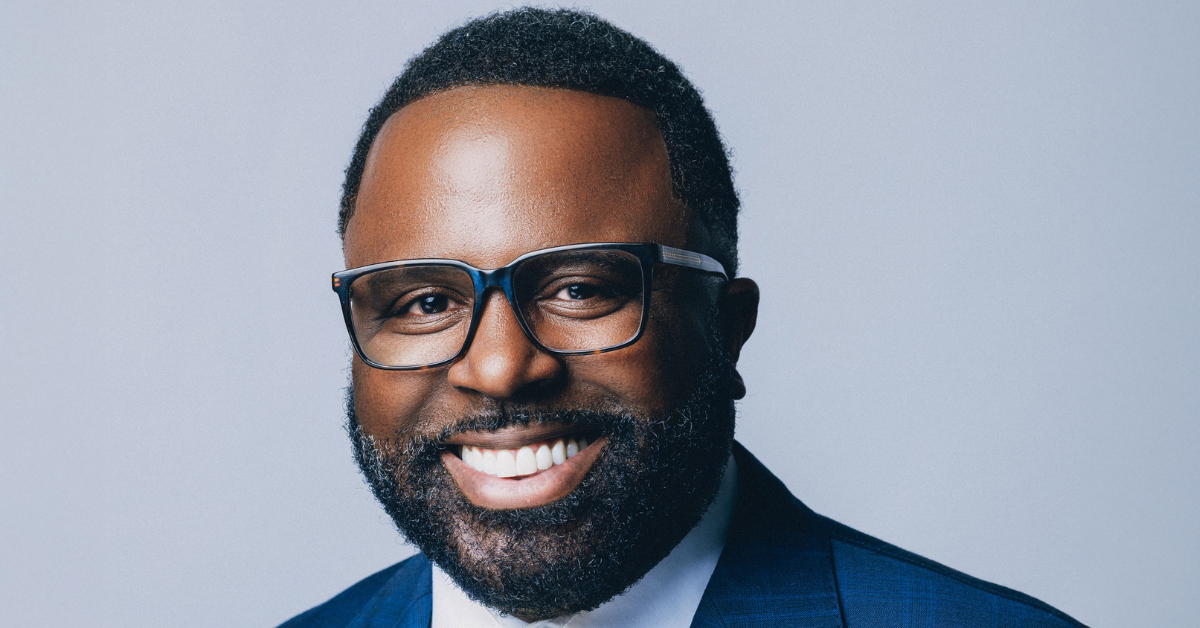
Albany State University Vice President for Student Affairs and Enrollment Management Dr. Jarrod Benjamin will lead the seven-member institutional team representing ASU at the 2026 convening.
“Being selected for the SAMHSA HBCU Policy Academy is a testament to the outstanding work Albany State University is doing every day to support student wellness, safety, and success. This opportunity will accelerate our ability to build a data-driven, culturally responsive behavioral health system at Albany State — one that meets our students where they are and prepares them for where they are going. I am proud of this team and deeply grateful to everyone who helped make this possible.” – Dr. Jarrod Benjamin, Vice President for Student Affairs and Enrollment Management, Albany State University
What Is the SAMHSA HBCU Policy Academy and Why Was Albany State University Selected?
The SAMHSA HBCU Policy Academy is a competitive federal initiative that selects a cohort of Historically Black Colleges and Universities to receive structured, expert-led technical assistance in building comprehensive campus behavioral health systems. Participating institutions develop evidence-based mental health policies, strengthen crisis prevention and response protocols, and establish sustainable frameworks for student wellness that are grounded in culturally responsive practice.
Albany State University was selected following a rigorous national application process that assessed institutional readiness, existing behavioral health infrastructure, and the strength of the University’s proposed direction. ASU’s selection is recognition that its student wellness programs, counseling services, and cross-functional approach to campus health have reached a level of development — and a standard of ambition — that positions the University as a leader in HBCU behavioral health nationally.
The application was prepared under the leadership of Dean of Student Development Dedra Williams and Director of Counseling and Student Accessibility Services Nicola “Simone” Bradley, whose expertise and commitment were essential to Albany State’s competitive submission.
How Albany State University’s Participation in the SAMHSA HBCU Policy Academy Will Benefit Students
Albany State University’s participation in the 2026 SAMHSA HBCU Policy Academy will produce concrete, lasting improvements to campus mental health resources, crisis response systems, and behavioral health infrastructure that directly benefit ASU students — particularly first-generation students, rural students, and underserved communities who depend most on expanded access to behavioral health support.
Through the Policy Academy, Albany State University will pursue the following outcomes:
• Develop a coordinated, campus-wide behavioral health strategic plan grounded in data and culturally responsive practices that reflect the lived experiences of ASU’s student population.
• Strengthen crisis prevention and response protocols — including after-hours emergency procedures, postvention planning following a campus crisis, and formalized collaboration between the ASU Counseling Center and the University Police Department.
• Expand mental health and substance-use screening using evidence-based clinical tools, including the PHQ-9 (Patient Health Questionnaire), GAD-7 (Generalized Anxiety Disorder Scale), and SBIRT (Screening, Brief Intervention, and Referral to Treatment).
• Advance suicide prevention programming and trauma-informed care across campus, with a focus on reducing stigma and lowering barriers to help-seeking for all students.
• Formalize partnerships with local behavioral health providers and community crisis resources to ensure warm handoffs, improved continuity of care, and long-term collaboration between the University and the Albany, Georgia, behavioral health network.
• Expand student-centered wellness programming, peer engagement initiatives, and campus-wide educational campaigns around mental health awareness and substance-use prevention.
• Reinforce ASU’s Behavioral Health and Campus Wellness Task Force, ensuring that recommendations, progress, and measurable outcomes are communicated clearly to campus leadership, students, faculty, staff, and the broader Albany community.
This work directly advances Albany State University’s institutional mission to support total student success. Albany State University believes that academic excellence and personal well-being are inseparable, and that a student who is supported, safe, and mentally well is a student who is positioned to thrive.
Albany State University’s 2026 SAMHSA HBCU Policy Academy Team
The following Albany State University professionals will represent the University at the 2026 SAMHSA HBCU Policy Academy convening in Atlanta, Georgia, on April 27–28, 2026:
Dr. Jarrod Benjamin, Vice President for Student Affairs and Enrollment Management
Dedra Williams, Dean of Student Development
Orlandria Bennett-Reed, Interim Director of Student Health Services
Nicola “Simone” Bradley, Director of Counseling and Student Accessibility Services
Dr. Kimberly Burgess, Executive Director of Student Success
Tatotshia Grier, Assistant Chief of Police
Shayla Taylor, Director of Greek Life and Community Engagement
Special recognition is extended to Dean Dedra Williams and Director Nicola “Simone” Bradley for their leadership in preparing the competitive national application that secured Albany State’s selection.
Albany State University: An HBCU on the Rise in Student Success and Academic Excellence
Albany State University’s selection for the 2026 SAMHSA HBCU Policy Academy reflects a broader trajectory of institutional momentum, academic achievement, and national recognition. Albany State University is Georgia’s largest public HBCU, serving more than 6,800 students and generating $282 million in annual economic impact across Southwest Georgia.
Albany State University has recorded four consecutive years of enrollment growth, and achieved the highest retention improvement in the University System of Georgia. ASU placed first in a NASA University Design Challenge and has secured more than $10 million in competitive grant funding. The University supports more than 2,600 jobs across the region and serves as the intellectual and economic engine of Southwest Georgia.
The SAMHSA HBCU Policy Academy selection adds a significant dimension to that record, affirming that Albany State University’s commitment to student wellness is not only deep, but nationally recognized. Under President Dr. Robert Scott’s leadership, Albany State is building toward its full potential as a premier regional university where academic excellence and student well-being advance together.
Rachel Lawrence
Albany State University
+1 229-364-6683
email us here
Albany State University: A Place to Thrive
Legal Disclaimer:
EIN Presswire provides this news content “as is” without warranty of any kind. We do not accept any responsibility or liability
for the accuracy, content, images, videos, licenses, completeness, legality, or reliability of the information contained in this
article. If you have any complaints or copyright issues related to this article, kindly contact the author above.